Predictive maintenance is reshaping how manufacturers approach machine reliability and operational efficiency. Rather than relying on fixed service intervals or reacting to unexpected breakdowns, predictive maintenance uses real-time data and advanced analytics to anticipate issues before they disrupt production. For CNC-intensive environments, this shift represents a major step toward smarter, more resilient manufacturing operations.
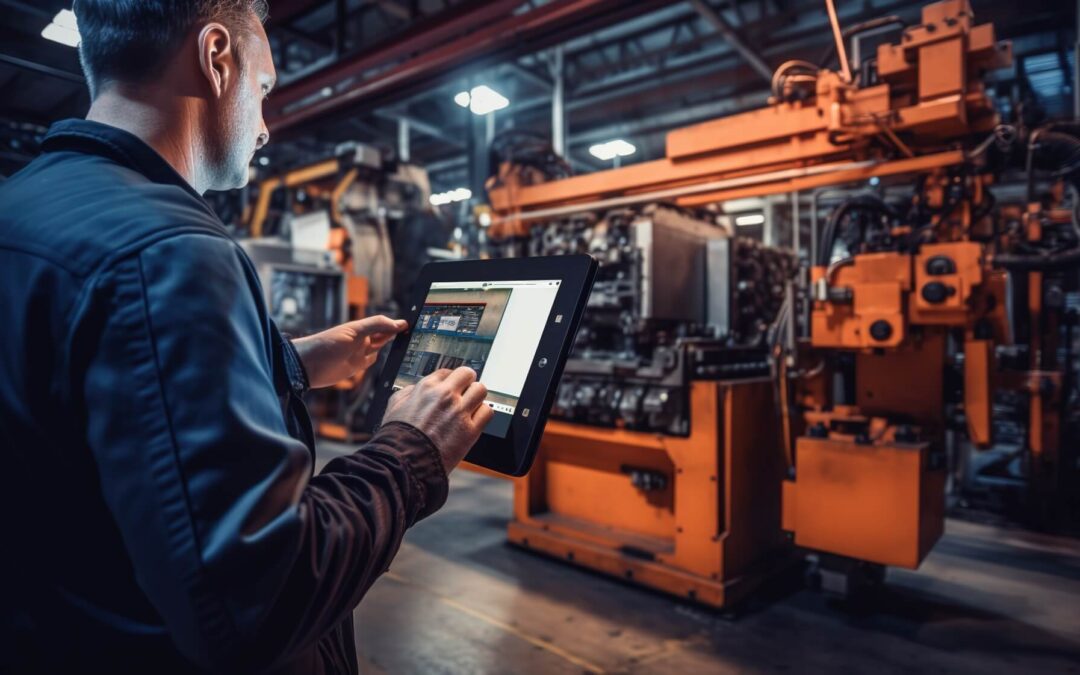
Modern CNC machines are equipped with a wide range of sensors that continuously monitor critical components such as spindles, ball screws, guideways, lubrication systems, and drives. By analyzing parameters like vibration, temperature, load, and power consumption, predictive systems can detect early signs of component fatigue or misalignment. Maintenance teams are then able to intervene at the optimal moment—before minor deviations escalate into costly failures.
The operational benefits are substantial. Unplanned downtime is one of the most expensive challenges in manufacturing, often triggering production delays, missed delivery targets, and increased overtime costs. Predictive maintenance significantly reduces these risks by enabling planned service interventions that align with production schedules. As a result, manufacturers achieve higher machine availability and more stable workflow planning.
Predictive strategies also extend the lifespan of critical machine components. Instead of replacing parts prematurely or running them to failure, manufacturers can base maintenance decisions on actual machine condition. This condition-based approach not only reduces spare part consumption but also improves overall equipment performance over time.
From a financial perspective, predictive maintenance supports stronger cost control and more accurate budgeting. Service activities become predictable, emergency repairs decline, and the hidden costs associated with production interruptions are minimized. For decision-makers, this creates a more transparent and manageable operating environment.
Machine tool manufacturers such as DN Solutions and HELLER incorporate predictive maintenance capabilities through advanced control systems, integrated diagnostics, and remote monitoring platforms. Their machines are engineered to deliver consistent performance while providing the data infrastructure required for proactive service strategies.
As manufacturing becomes increasingly data-driven, predictive maintenance is no longer a competitive advantage—it is quickly becoming an operational necessity. Companies that adopt predictive approaches position themselves for greater reliability, improved productivity, and long-term operational excellence.